A thread lift is an increasingly popular non-surgical alternative to a traditional facelift. It offers a quicker recovery time, minimal invasiveness, and lasting results, making it an attractive choice for those looking to rejuvenate their appearance without undergoing full surgery. But like any cosmetic procedure, understanding the recovery time is crucial to ensure optimal results and minimize discomfort. In this blog, we’ll dive into the recovery process of a thread lift, how long it lasts, and tips for faster healing.
A facelift,, is a surgical procedure aimed at reducing visible signs of aging in the face and neck, providing a rejuvenated appearance.. The procedure involves removing excess skin, tightening underlying tissues, and redraping the skin to create a smoother and more youthful appearance. While a facelift provides dramatic results, it also requires a significant recovery period and comes with more risks compared to non-surgical treatments.
A thread lift is a minimally invasive procedure that lifts sagging skin on the face and neck by using threads inserted beneath the skin’s surface. These threads are made of a biocompatible material that stimulates collagen production, resulting in a more youthful, lifted appearance. Unlike a traditional facelift, a thread lift requires no major incisions, offers a shorter recovery time, and delivers subtle but visible results.
There are several types of thread lifts available, depending on the patient's needs and goals. The most common types include:
Thread lifts can last anywhere from 1 to 3 years, depending on the type of threads used, the area treated, and the individual’s age and skin condition. PDO threads typically last around 8 to 12 months, while PLLA and PCL threads can last longer, up to 2 years. While thread lifts do not provide permanent results like a traditional facelift, they are an excellent option for maintaining youthful features over time.
Although a thread lift is considered a safe procedure, like all cosmetic treatments, it comes with certain risks. These may include:
Choosing a skilled, experienced practitioner significantly reduces the risk of complications.
The discomfort from a thread lift is minimal, as the procedure is carried out with local anesthesia that numbs the areas being treated.. You may feel some pressure during the treatment, but it is generally well-tolerated. After the procedure, mild soreness or tenderness may occur, which can be managed with over-the-counter pain relievers.
Thread lifts are suitable for individuals with mild to moderate sagging or wrinkling of the skin, typically those aged between 30 and 60. Ideal candidates should be in good health, have realistic expectations, and understand that while the results are noticeable, they may not be as dramatic as a full facelift.
Thread lifts can be a worthwhile option for individuals looking to improve the contours of their face without the downtime and invasiveness of surgery. If you’re looking for subtle but effective lifting of the skin, enhanced collagen production, and a minimal recovery period, a thread lift could be the ideal solution. However, it’s important to consult with a skilled practitioner to determine if this treatment aligns with your aesthetic goals.
The thread lift procedure involves the insertion of specially designed threads beneath the skin using a fine needle. The threads are carefully positioned to create a lifting effect. Over time, the threads dissolve, stimulating the production of collagen, elastin, and other vital compounds that help tighten and smooth the skin.
Before the procedure, you’ll have a consultation with your practitioner to assess your facial structure and discuss your goals. Prior to the procedure, you'll be instructed to refrain from using blood-thinning medications and consuming alcohol for several days. During the consultation, the practitioner will explain the procedure in detail, answer any questions, and ensure you're a suitable candidate for the treatment.
On the day of the procedure, local anesthesia is applied to the targeted areas. The practitioner then inserts the threads through fine needles, positioning them in a way that lifts and tightens the skin. The entire procedure usually takes around 30 to 60 minutes, depending on the number of threads used and the treatment area.
After the procedure, you can expect some swelling, redness, and bruising around the treated areas. This is a common occurrence and typically resolves within a few days to a week. You may be advised to avoid strenuous activities, excessive facial movements, or pressure on the treated areas during the recovery period.
Thread lifts offer numerous benefits, including:
The recovery period after a thread lift is generally brief.. Most patients experience some swelling, bruising, and tenderness in the days following the procedure, but these side effects typically resolve within a week. For optimal healing, it’s important to follow post-procedure care instructions, such as avoiding excessive sun exposure, refraining from facial massages, and limiting physical activities. You can return to most normal activities within 2 to 3 days, but it's best to wait 1 to 2 weeks before engaging in strenuous exercise.
Matiz Clinic Timings
Monday - Saturday: 10:00 AM - 7:00 PM
Sunday: Closed
Bangalore Clinic Timings
Monday - Saturday: 10:00 AM - 6:00 PM
(Video consultations also available)
Sunday: Closed
Hyderabad Clinic Timings
Monday - Saturday: 10:00 AM - 6:00 PM
(By prior appointment only - please call to book)
Sunday: Closed
The under-eye area is one of the first places where signs...Read more

Modern aesthetic medicine has moved well beyond treating ...Read more
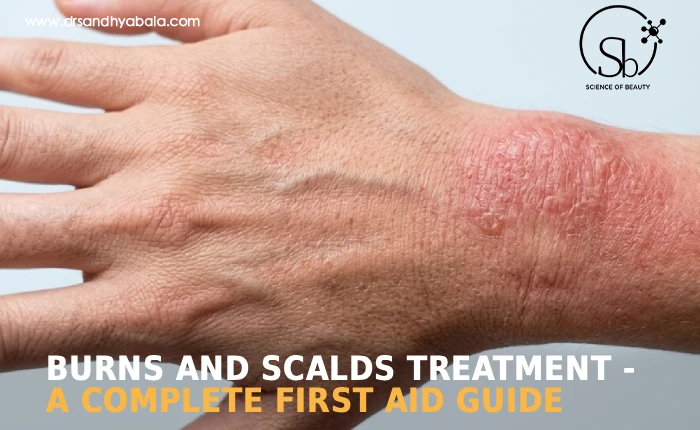
Burns and scalds are among the most common household inju...Read more

Barbie Botox has become one of the most talked-about aest...Read more

For many people, a fuller lower body is about proportion:...Read more