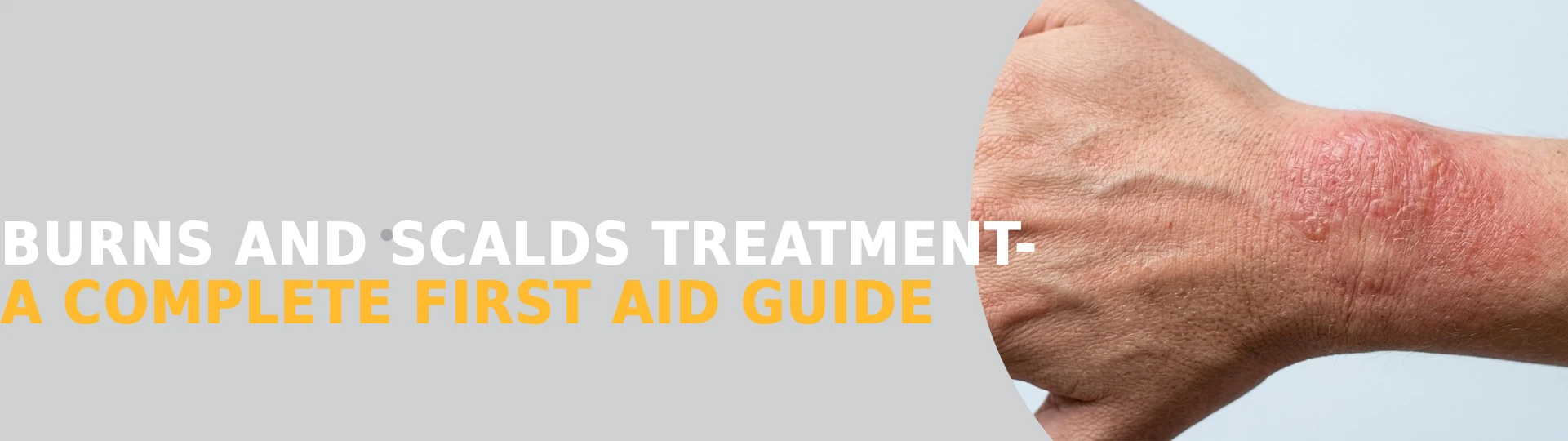
Burns and scalds are among the most common household injuries, affecting people of all ages. Whether it is a child accidentally touching a hot pan, someone spilling boiling water, or exposure to a hot surface, quick and appropriate first aid can make a significant difference. The right response can reduce pain, limit skin damage, lower the risk of infection, and support faster healing.
Understanding how to treat burns and scalds properly is essential because even minor injuries can worsen if handled incorrectly. This guide explains the different types of burns, the immediate first aid steps to take, what to avoid, and when it's time to consult a Cosmetic Surgeon in Bangalore for proper medical attention and scar management.
Although the terms are often used interchangeably, burns and scalds have slightly different causes.
Both injuries damage the skin and, depending on their severity, may affect deeper tissues.
Burns are generally classified based on how deeply they affect the skin.
Mild burns affect only the outermost layer of the skin. The area usually becomes red, painful, and slightly swollen without blistering.
Second-degree burns extend into the deeper layer of the skin. They often cause blisters, significant pain, redness, and swelling. Small burns often heal on their own, while larger or deeper burns require medical evaluation.
The burned area may appear white, charred, leathery, or blackened. Surprisingly, these burns may not be painful at first because nerve endings can be damaged. Third-degree burns require immediate emergency medical treatment.
Knowing what to do in the first few minutes after a burn can help reduce tissue damage.
The first step is to stop the burning process. Move the person away from heat, steam, flames, or chemicals. If clothing is on fire, encourage them to stop, drop, and roll to extinguish the flames.
Place the affected area under cool running water for about 20 minutes as soon as possible. Cool water helps reduce heat trapped in the skin and may limit the extent of the injury.
Avoid using ice or ice-cold water, as extreme cold can damage already injured skin and slow the healing process.
Carefully remove rings, watches, bracelets, or tight clothing before swelling begins. Do not pull away clothing that is stuck to the burned skin. Leave it in place and seek medical assistance.
Once cooled, loosely cover the burn with a clean, non-stick dressing, sterile gauze, or plastic wrap. This helps protect the wound from dirt and reduces discomfort without placing pressure on the injured skin.
Over-the-counter pain relief medications may help reduce pain and inflammation if appropriate for the person's age and medical condition. Follow the recommended dosage instructions.
Many traditional home remedies can actually make burns worse. Avoid these common mistakes:
Using inappropriate remedies may increase the risk of infection and delay healing.
Most small, superficial burns can be managed safely at home after proper first aid.
Keep the burn clean and dry. Change the dressing if it becomes dirty or wet, and always wash your hands before touching the wound. Watch for signs of healing while avoiding activities that may irritate the injured area.
If blisters remain intact, allow them to heal naturally. Once the skin has healed, protect the area from direct sunlight, as new skin is especially sensitive and may develop permanent discoloration.
Staying well hydrated and eating a balanced diet can also support the body's natural healing process.
Seek medical attention if:
Many burns can be prevented with simple safety measures at home and in the workplace.
Simple precautions can greatly reduce the risk of serious burn injuries.
Matiz Clinic Timings
Monday - Saturday: 10:00 AM - 7:00 PM
Sunday: Closed
Bangalore Clinic Timings
Monday - Saturday: 10:00 AM - 6:00 PM
(Video consultations also available)
Sunday: Closed
Hyderabad Clinic Timings
Monday - Saturday: 10:00 AM - 6:00 PM
(By prior appointment only - please call to book)
Sunday: Closed
The under-eye area is one of the first places where signs...Read more

Modern aesthetic medicine has moved well beyond treating ...Read more
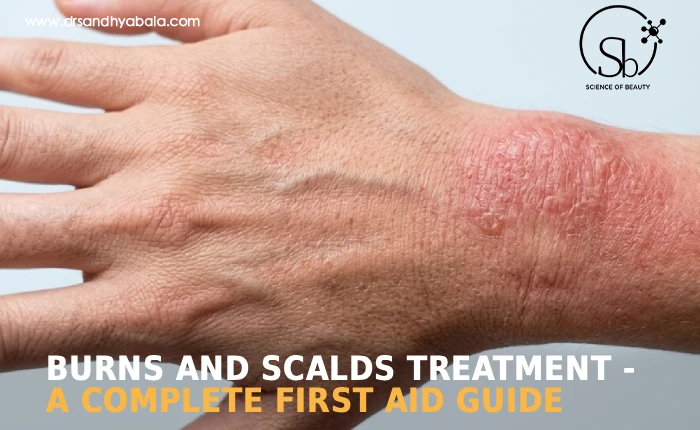
Burns and scalds are among the most common household inju...Read more

Barbie Botox has become one of the most talked-about aest...Read more
For many people, a fuller lower body is about proportion:...Read more