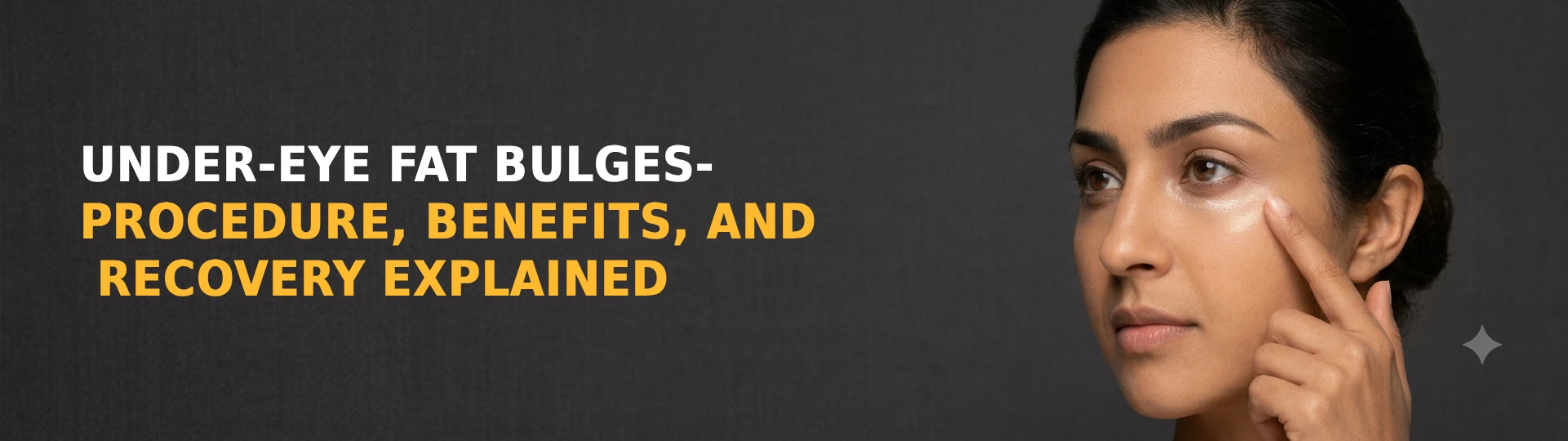
The under-eye area is one of the first places where signs of ageing, tiredness, or volume loss become noticeable. Dark circles, hollowness, and under-eye bags can make someone appear exhausted even after getting enough rest. While creams and skincare treatments may improve the appearance of the skin, they often cannot address bigger structural changes beneath the eyes.
Under-eye fat repositioning is a cosmetic procedure designed to restore a smoother, more youthful appearance by redistributing existing fat beneath the lower eyelids. Instead of simply removing excess fat, this technique focuses on creating a balanced transition between the lower eyelid and cheek area. Understanding how the procedure works, its benefits, and the recovery process can help individuals make informed decisions about whether it may be suitable for them.
Under-eye fat repositioning is a surgical procedure that improves the appearance of lower eyelid bags and hollows by moving the fat pockets naturally present under the eyes. With ageing, the tissues that support the lower eyelid can weaken, causing fat to shift forward and create a bulging appearance. At the same time, volume loss in nearby areas can make the under-eye area look sunken.
Unlike traditional under-eye fat removal, which focuses on eliminating excess fat, fat repositioning preserves and relocates the fat to fill hollow areas. This helps create a smoother contour between the eyelid and cheek while maintaining a more natural facial appearance.
The procedure is often considered for people who have prominent under-eye bags, tear trough hollows, or a tired-looking appearance caused by changes in facial volume.
Before the procedure, a consultation with a qualified cosmetic surgeon is essential. The surgeon evaluates the skin quality, facial structure, degree of under-eye fullness, and overall aesthetic goals. This helps determine whether fat repositioning is the right approach.
During the surgery, the patient is usually given local anesthesia with sedation or general anesthesia, depending on the individual case and the surgeon’s recommendation.
The procedure generally involves the following steps:
1. Creating access to the under-eye area
The surgeon typically makes an incision inside the lower eyelid, known as a transconjunctival approach. Since the incision is placed inside the eyelid, there is usually no visible external scar.
2. Repositioning the fat pockets
The surgeon carefully releases the fat beneath the eye and moves it into areas where volume is lacking, such as the hollow beneath the lower eyelid. This creates a gradual and even contour instead of a sharp separation between the eyelid and cheek.
3. Closing the incision
Once the fat has been positioned correctly, the incision is closed. The goal is to achieve a refreshed appearance while preserving natural facial expressions.
The procedure time may vary depending on the complexity of the case and whether other treatments, such as eyelid tightening or skin resurfacing, are performed at the same time.
One of the main advantages of this procedure is that it addresses both excess fat and volume deficiency together. Some key benefits include:
Because the procedure uses the patient’s own under-eye fat rather than removing all excess volume, the results often appear more balanced. The transition from the lower eyelid to the cheek becomes smoother, reducing the hollow or sunken look.
Fat repositioning helps correct the bulging effect caused by displaced fat beneath the eyes. This can make the face look fresher and less tired.
Dark shadows under the eyes are sometimes caused by deep hollows rather than pigmentation. By restoring lost volume, fat repositioning can soften these shadows and improve overall facial harmony.
Since the procedure involves repositioning existing fat rather than temporary fillers, the results can be long-lasting. However, natural ageing continues over time, so changes in facial appearance may still occur in the future.
When performed through an internal eyelid incision, the procedure does not usually leave noticeable external scars.
Recovery varies from person to person, but most individuals experience some swelling, bruising, or mild discomfort after surgery. These effects are temporary and gradually improve as healing progresses.
During the first few days, patients are usually advised to:
Swelling and bruising often become more noticeable during the initial recovery period before gradually decreasing. Many people can return to normal daily activities within one to two weeks, although complete healing and final results may take several months.
Regular follow-up appointments allow the surgeon to monitor healing and ensure the recovery process is progressing properly.
Under-eye fat repositioning may be a suitable option for individuals who have noticeable under-eye bags, hollow areas, or age-related changes around the lower eyelids. However, it is not a one-size-fits-all solution. Factors such as skin elasticity, facial anatomy, overall health, and personal expectations play an important role in determining the right treatment.
A consultation with an experienced and qualified surgeon is the best way to understand the potential outcomes, risks, and whether this procedure matches your goals.
Under-eye fat repositioning is a refined cosmetic procedure that focuses on restoring balance rather than simply removing volume. By carefully redistributing fat beneath the eyes, it can help create a smoother, refreshed, and more youthful appearance.
While the procedure offers several aesthetic benefits, choosing the right surgeon and following proper recovery instructions are essential for achieving safe and satisfying results. Anyone considering this treatment should seek professional advice to understand the procedure fully and make a confident decision.
Matiz Clinic Timings
Monday - Saturday: 10:00 AM - 7:00 PM
Sunday: Closed
Bangalore Clinic Timings
Monday - Saturday: 10:00 AM - 6:00 PM
(Video consultations also available)
Sunday: Closed
Hyderabad Clinic Timings
Monday - Saturday: 10:00 AM - 6:00 PM
(By prior appointment only - please call to book)
Sunday: Closed
The under-eye area is one of the first places where signs...Read more

Modern aesthetic medicine has moved well beyond treating ...Read more
Burns and scalds are among the most common household inju...Read more

Barbie Botox has become one of the most talked-about aest...Read more
For many people, a fuller lower body is about proportion:...Read more